
Trending Keywords
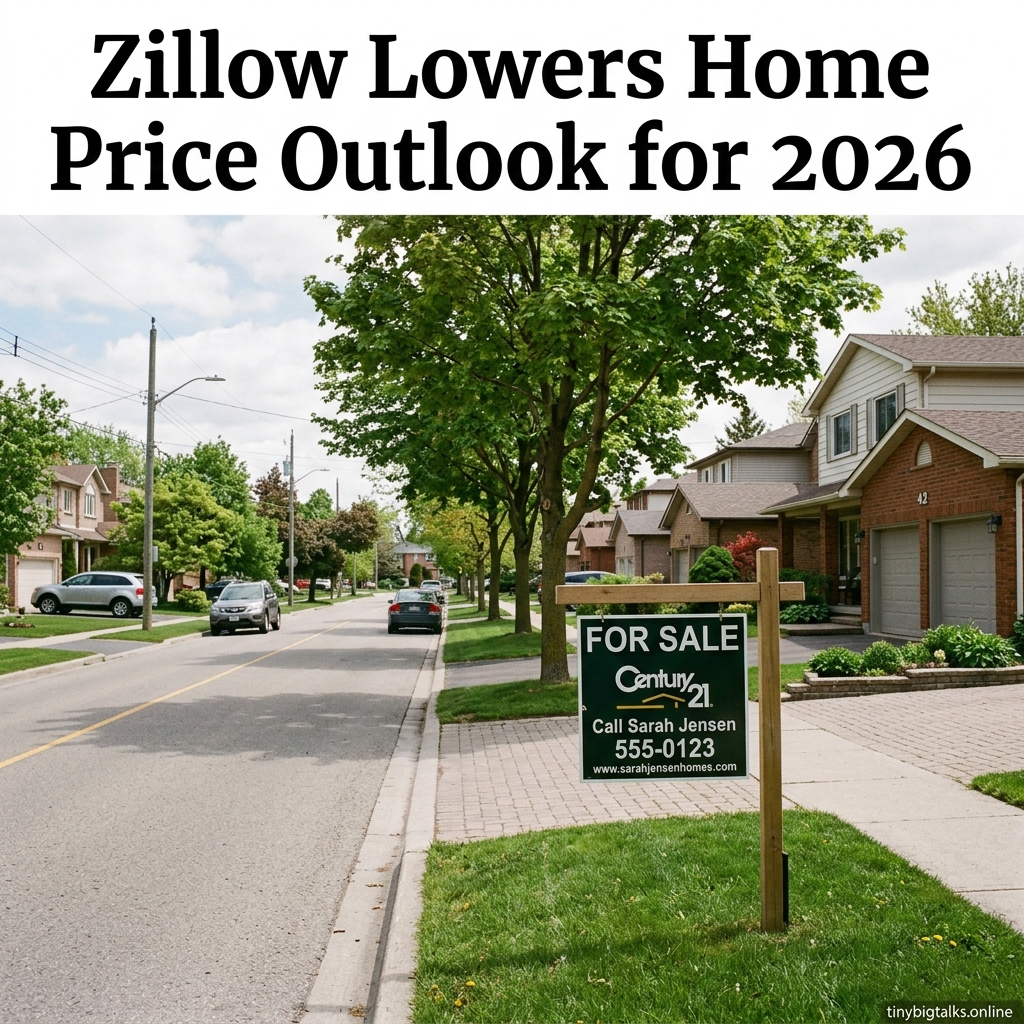
The US property market is entering a cooling phase. The latest Zillow housing market report indicates that home prices are expected to grow much more slowly through 2026. Revising its forecasts downward across more than 400 housing markets in the United States, Zillow points to a complex mix of shifting demographics, high insurance costs, and stagnant buying power as the primary culprits behind this US property market slowdown.
It's not just a matter of fluctuating mortgage rates and home prices or a sudden influx of listings. A significant driver is the changing behavior of younger generations. Many young adults are not starting households or buying houses at the same pace as past generations, constrained by tight budgets and steep everyday expenses that extend far beyond rent. Because of this gradual retreat, the foundational housing demand and supply US dynamics look fundamentally different, shifting beneath the surface where standard forecasts often struggle to capture the full picture.
The Hidden Costs: Insurance and Wage Stagnation
Even though nominal paychecks haven't necessarily shrunk, the housing affordability crisis US remains acute because housing costs simply climb much faster than earnings. While wages have seen slight bumps, employment opportunities have drifted toward lower-paying gig-style or service roles, replacing the higher-earning tech or factory positions that were more common prior to recent economic turbulence. This reality is often masked by low unemployment numbers; having work doesn’t always guarantee keeping up with the cost of living. Consequently, purchasing power quietly slips beneath the positive statistics, impacting the overall housing market outlook 2026.
Another frequently overlooked factor impacting property prices in US cities is the skyrocketing cost of home insurance. In areas prone to weather risks, such as parts of the Sun Belt, annual coverage premiums can exceed $8,000—entirely separate from the mortgage. This additional financial burden makes homes significantly harder to afford, even in scenarios where interest rates might seem manageable on paper. Investors looking into real estate investment USA must increasingly account for these hidden holding costs.
Is a US Housing Market Crash Coming?
Despite the Zillow downgrade housing forecast, analysts are not predicting a catastrophic US housing market crash. Zillow's approach, which bundles these delayed pressures rather than solely tracking interest rates or new listings, suggests a "gentle economic touchdown." They anticipate that slow pay gains will gradually balance out easing home values, resulting in no sudden, dramatic jumps or precipitous drops.
Furthermore, the supply side remains constrained. Homeowners locked into rock-bottom interest rates from previous years tend to stay put, significantly slowing any potential jump in available existing homes. Simultaneously, new construction is failing to close the gap, with building permits often dragging on for years. Under this weight, supply stays pinched, preventing a total collapse in home value trends 2026.
What Happens Next: A Freeze, Not a Fall
So, what should buyers and sellers expect in the coming years? The consensus points toward a freeze rather than a crash. Movement in US home sales trends is fading, yet actual price drops stay limited across most areas. A sense of calm appears to be settling over the real estate market update, but it is a calm born of stillness and unaffordability, rather than robust economic power.
More Information to Read
For more detailed analysis on US housing market trends 2026 and real estate news, check out these authoritative sources: